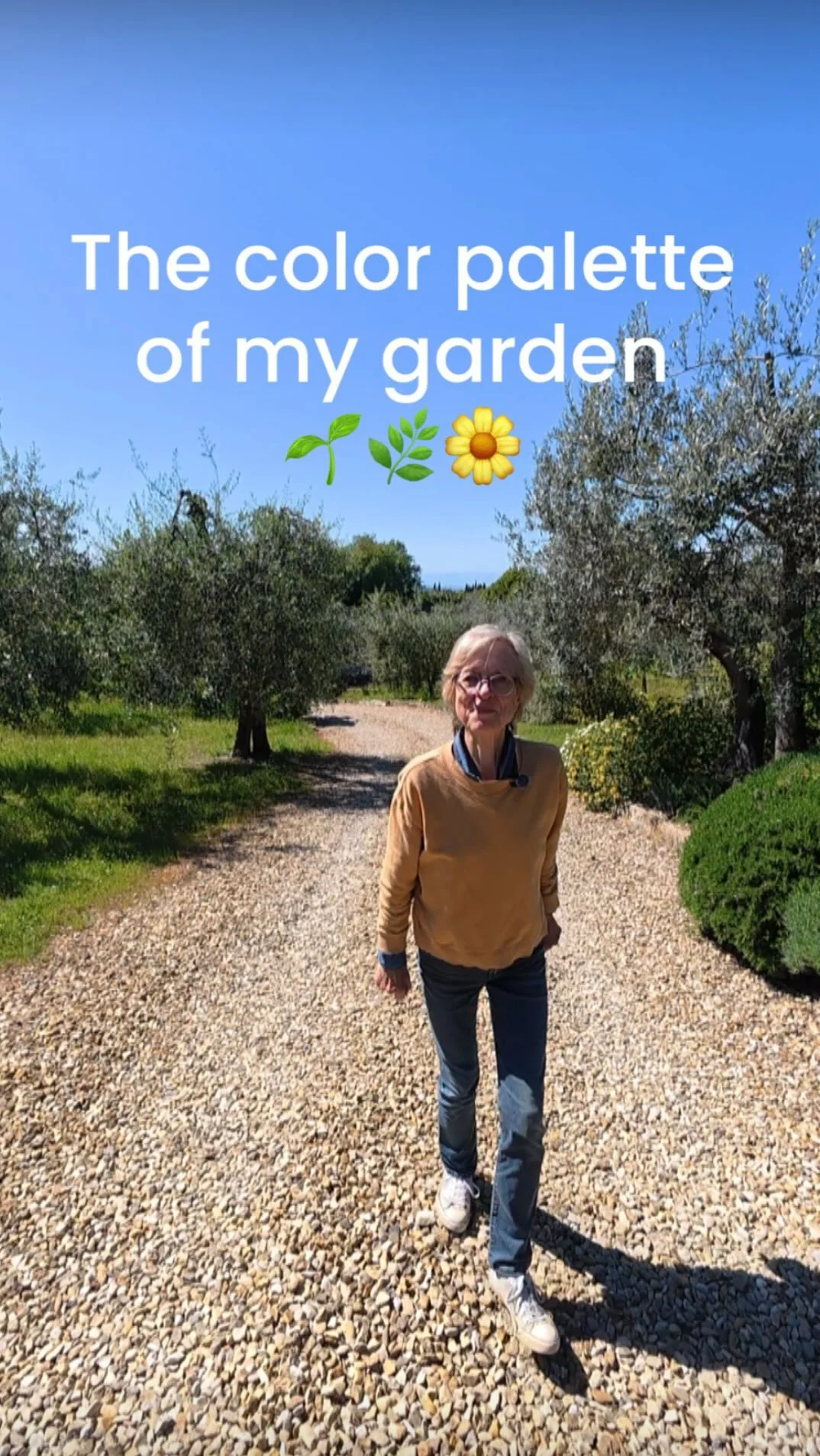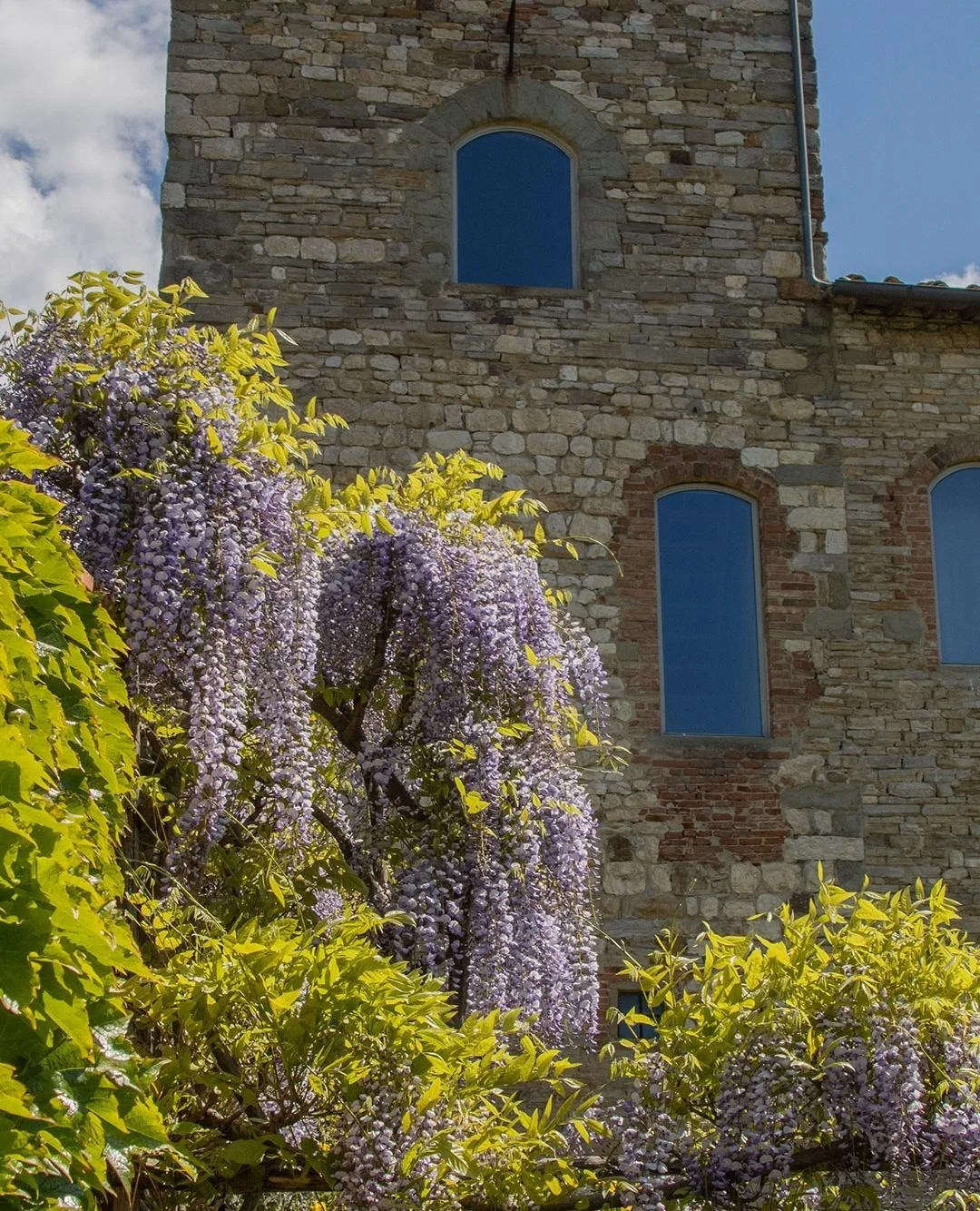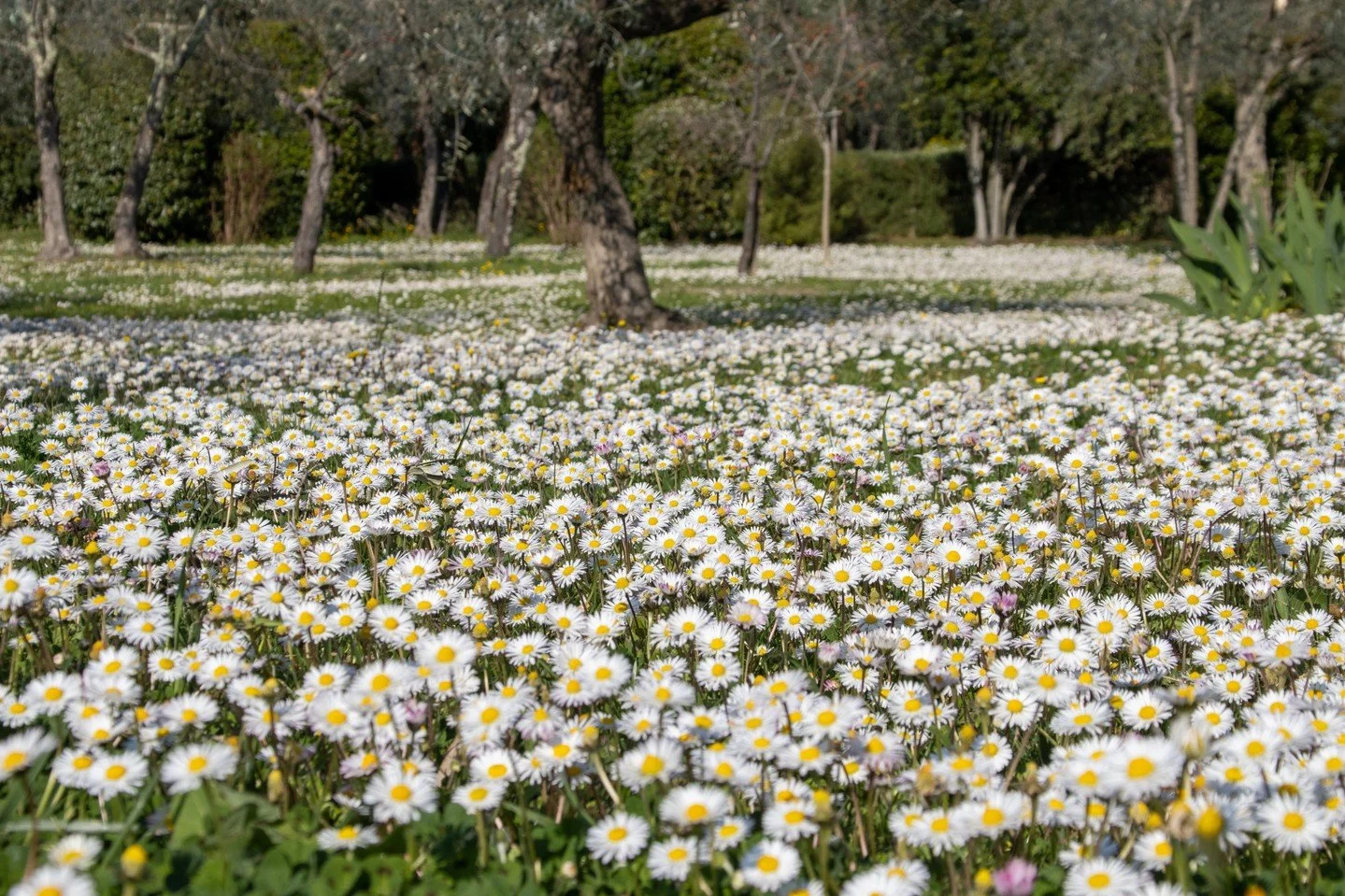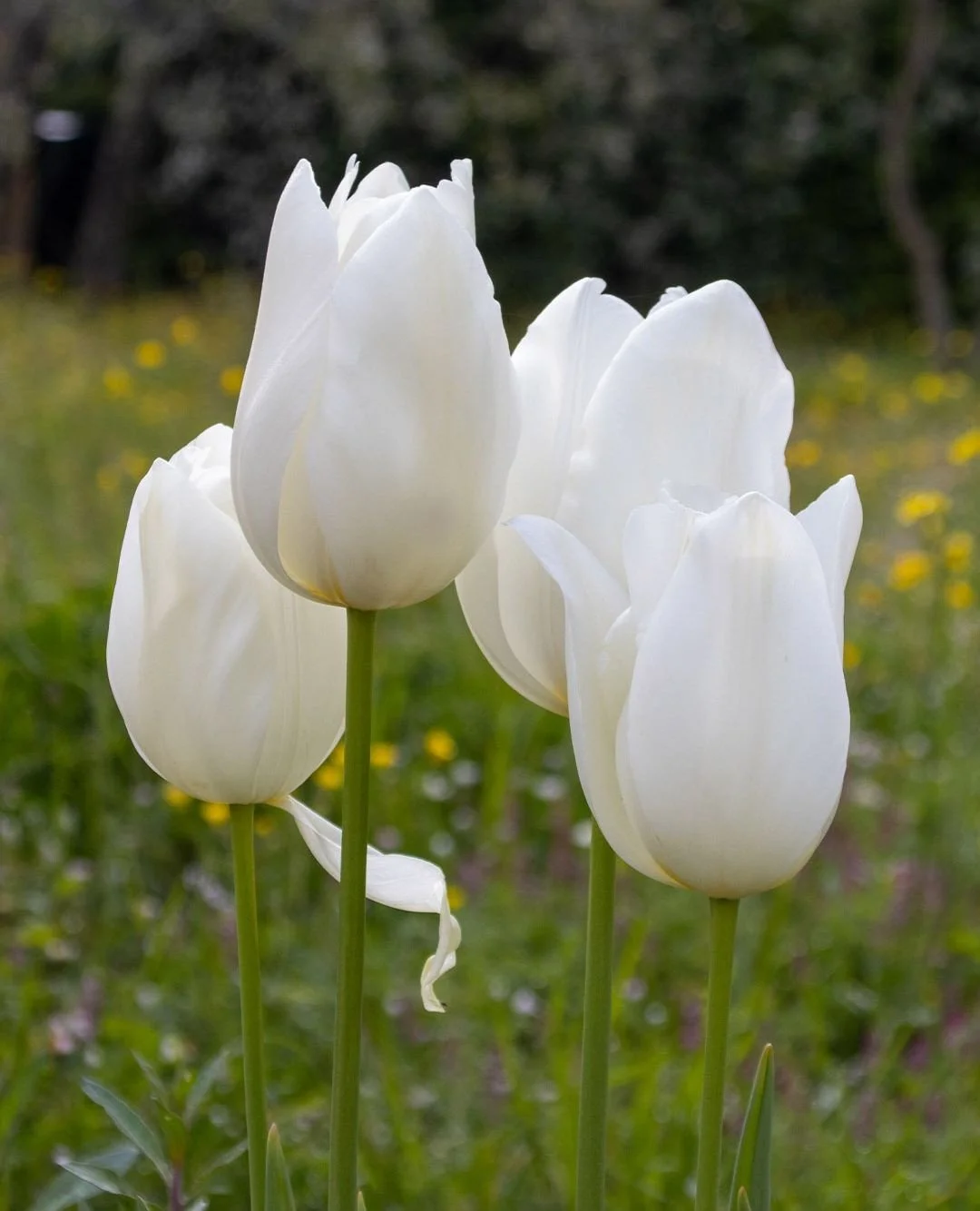
When my husband, architect Bruno Sacchi, bought the land at Torre di Sopra, it was abandoned — tended only by the retired farmer whose family had worked it for over two centuries. Together we prepared the soil for new olives. As the lorry arrived with young trees, the farmer’s eyes filled with tears — he couldn’t recall the last time anything had been planted.
That was the beginning of my garden in Tuscany.
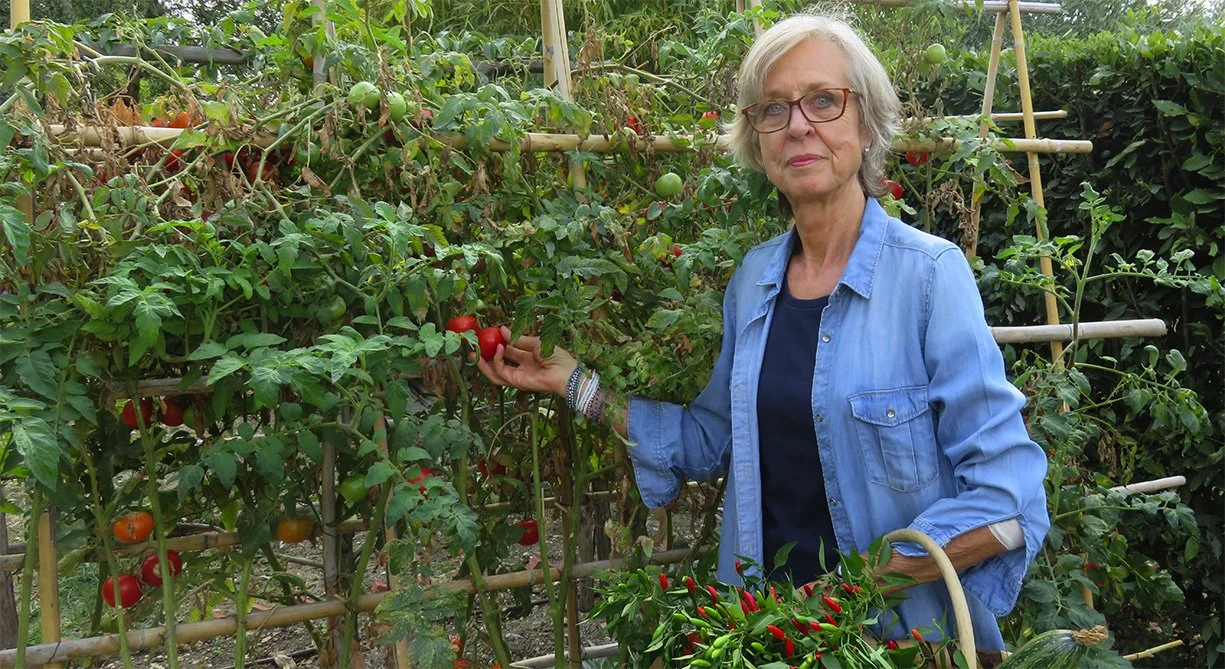
I bought a small tractor…
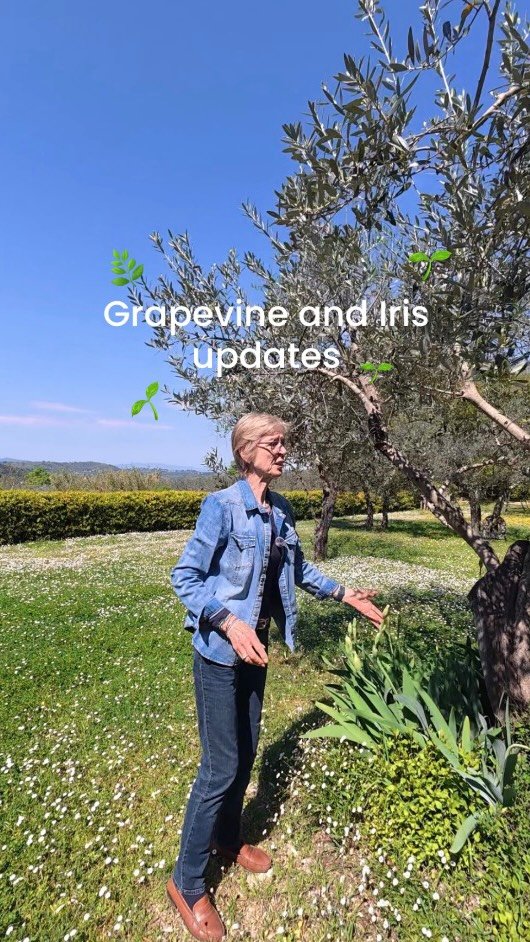
To my neighbours’ amusement, I ploughed and harrowed, tended old olive trees, made hay (using the old ox cart as a trailer), kept chickens, ducks, goats, geese, two children — and grew vegetables under the Tuscan sun.
In 1985 my marriage ended and I returned to the UK; Bruno stayed, refusing to prune — “how would you like it if someone cut off your arm?”
After his death in 2011, I found the grove overgrown. With my son and daughter, we began restoring the property and the gardens of Torre di Sopra.
The garden’s renewal began in 2011
2011 - The Aia
And lawn before being converted to dry garden.
2011 - The vegetable garden and pool hut
As it was before the pool
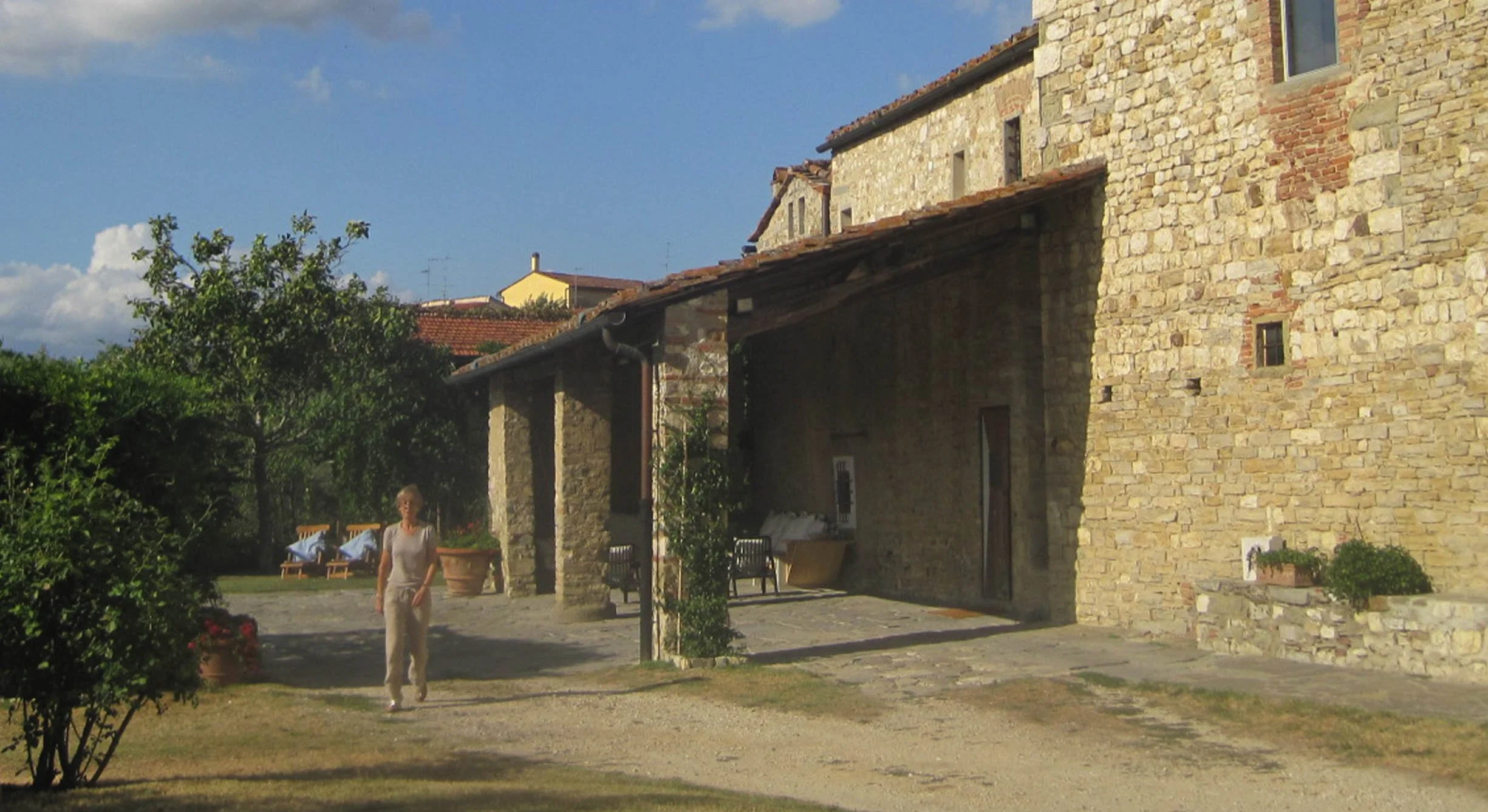
2011 - The reception
2011 - View to the current entrance
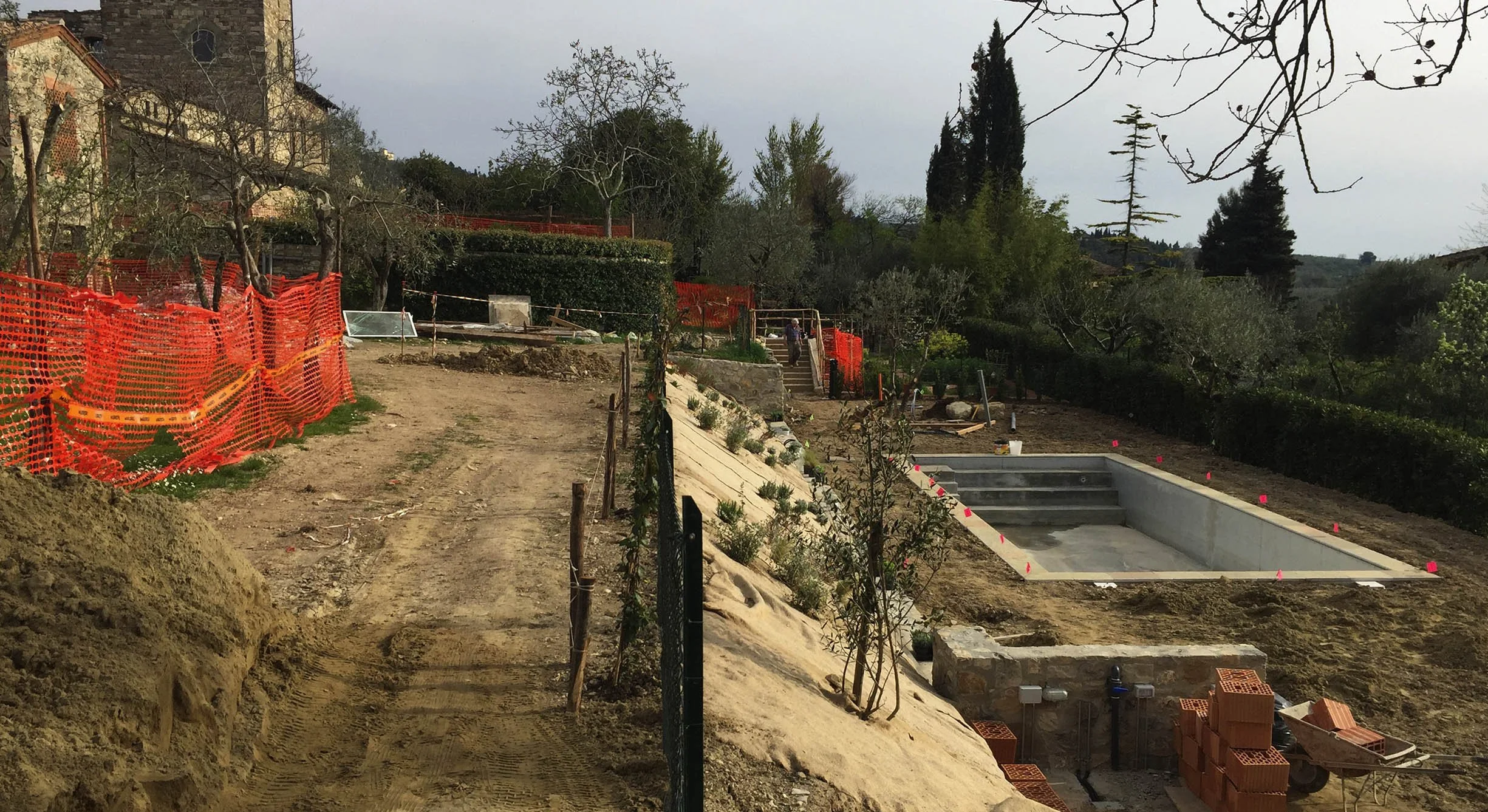
2011 - Before the pool
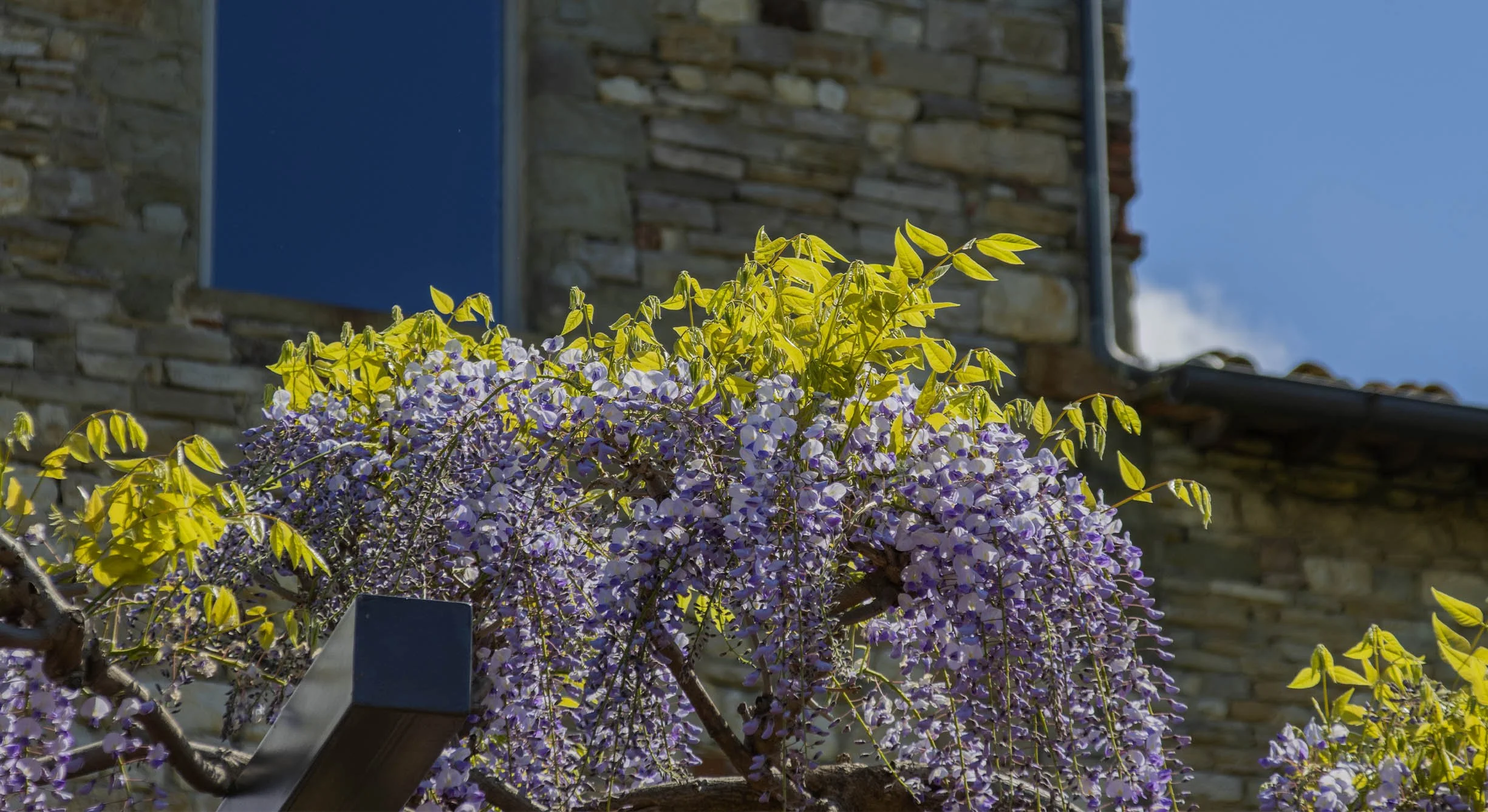
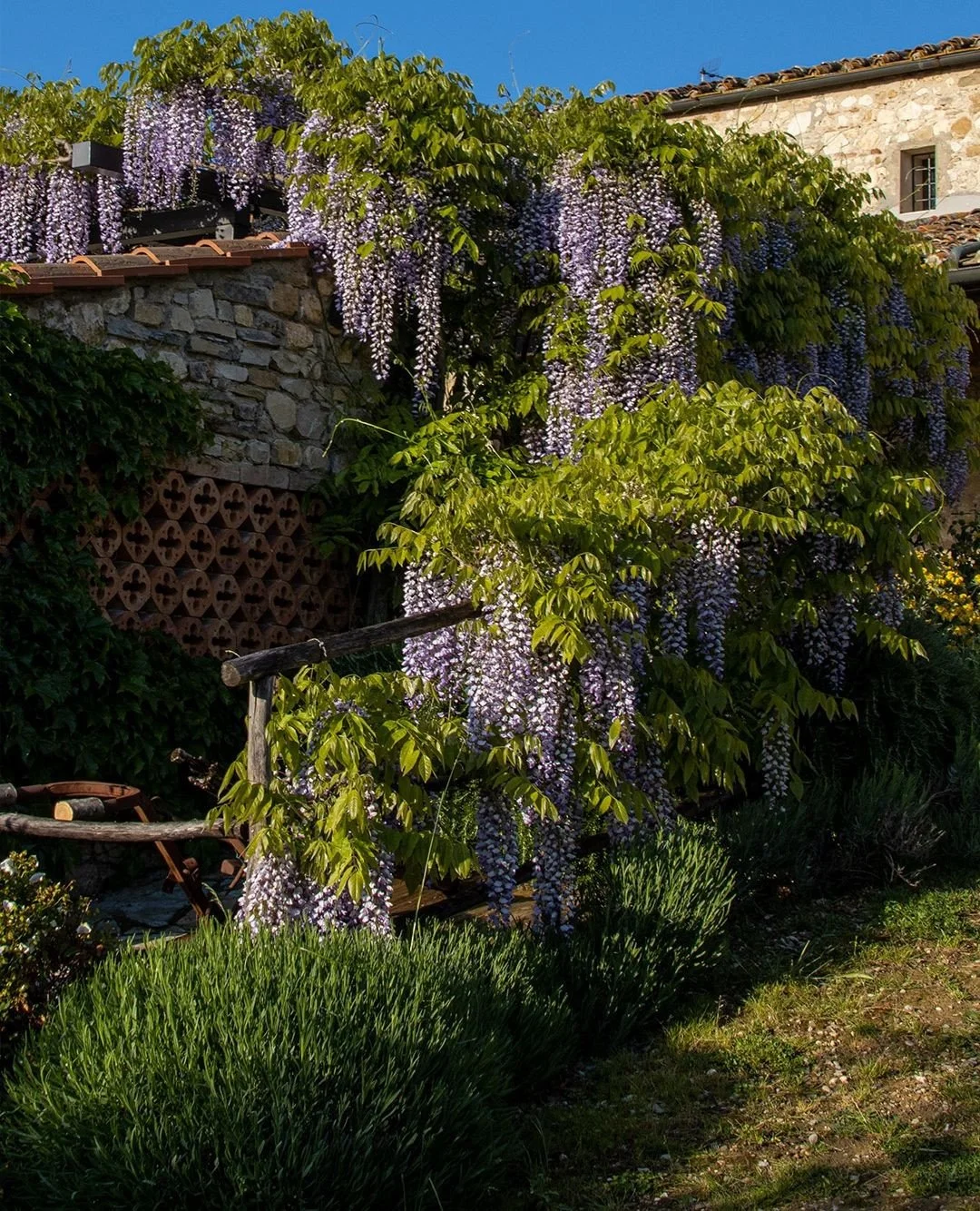
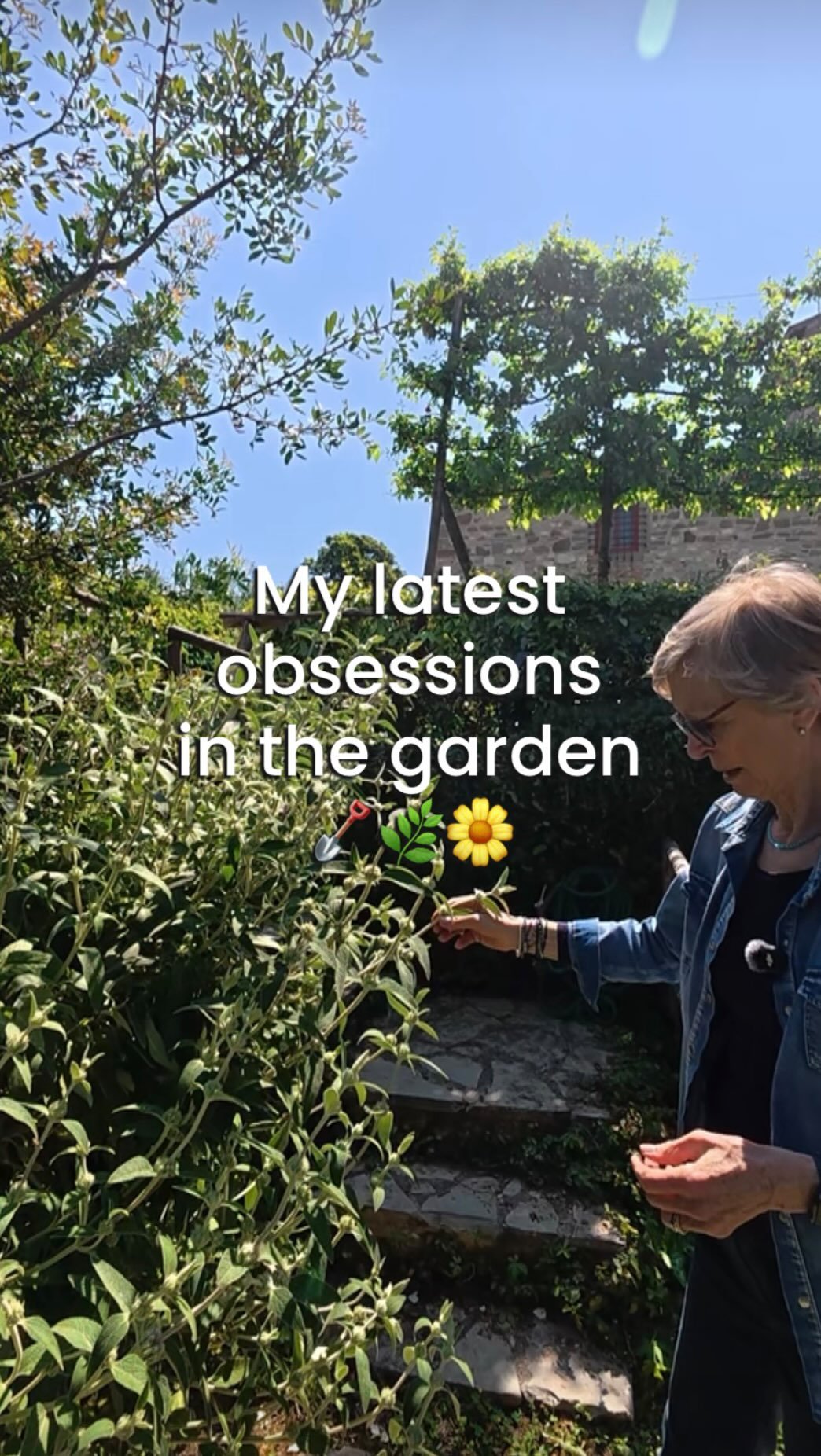
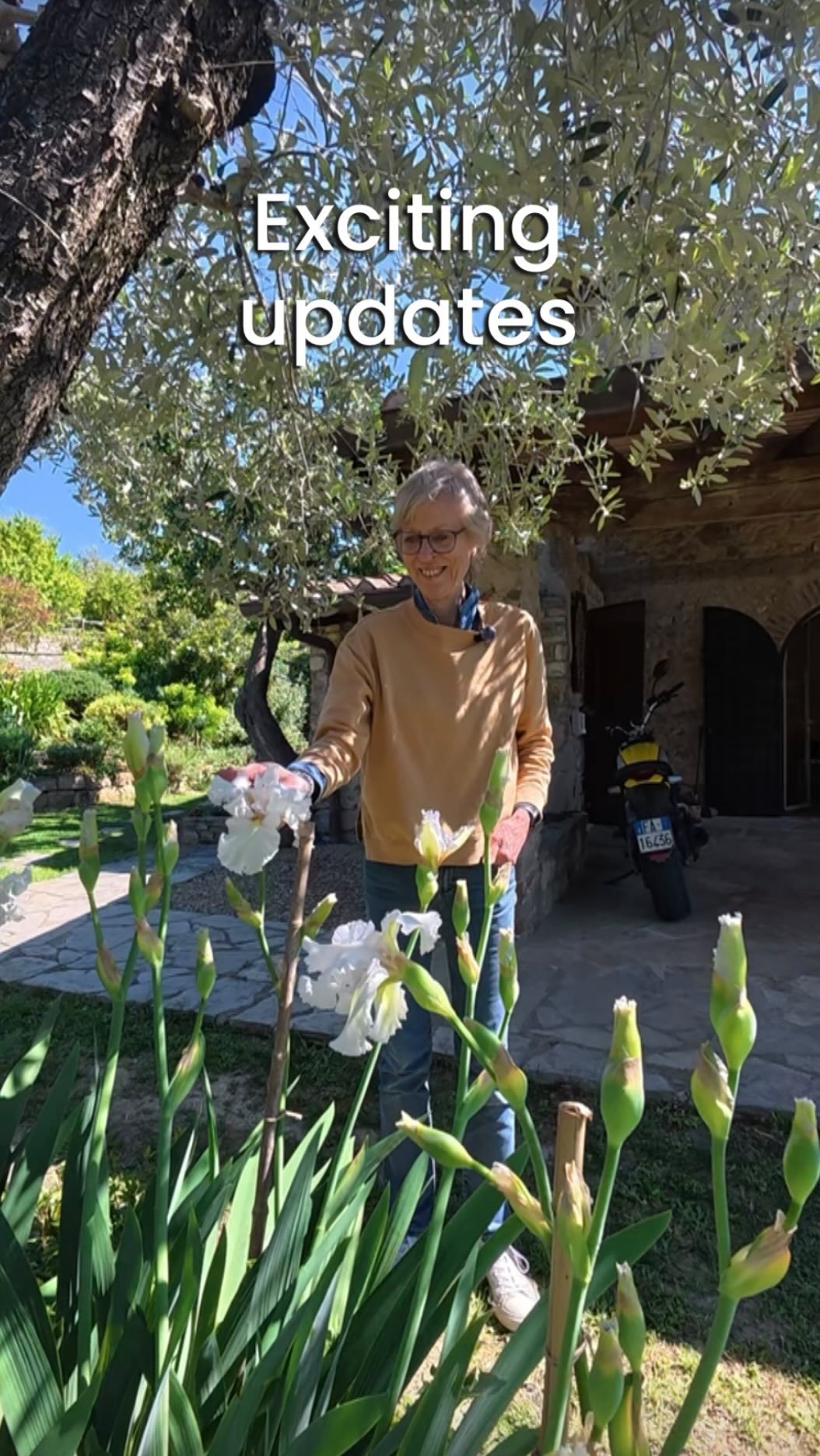
Since 2011 I have been replanting the garden: holm oak, bay, Elaeagnus, rosemary hedges; banks of salvias, Rosa Mutabilis, ceanothus, stachys, nepeta, iris, lavender, grasses, and jasmine for June’s perfume.
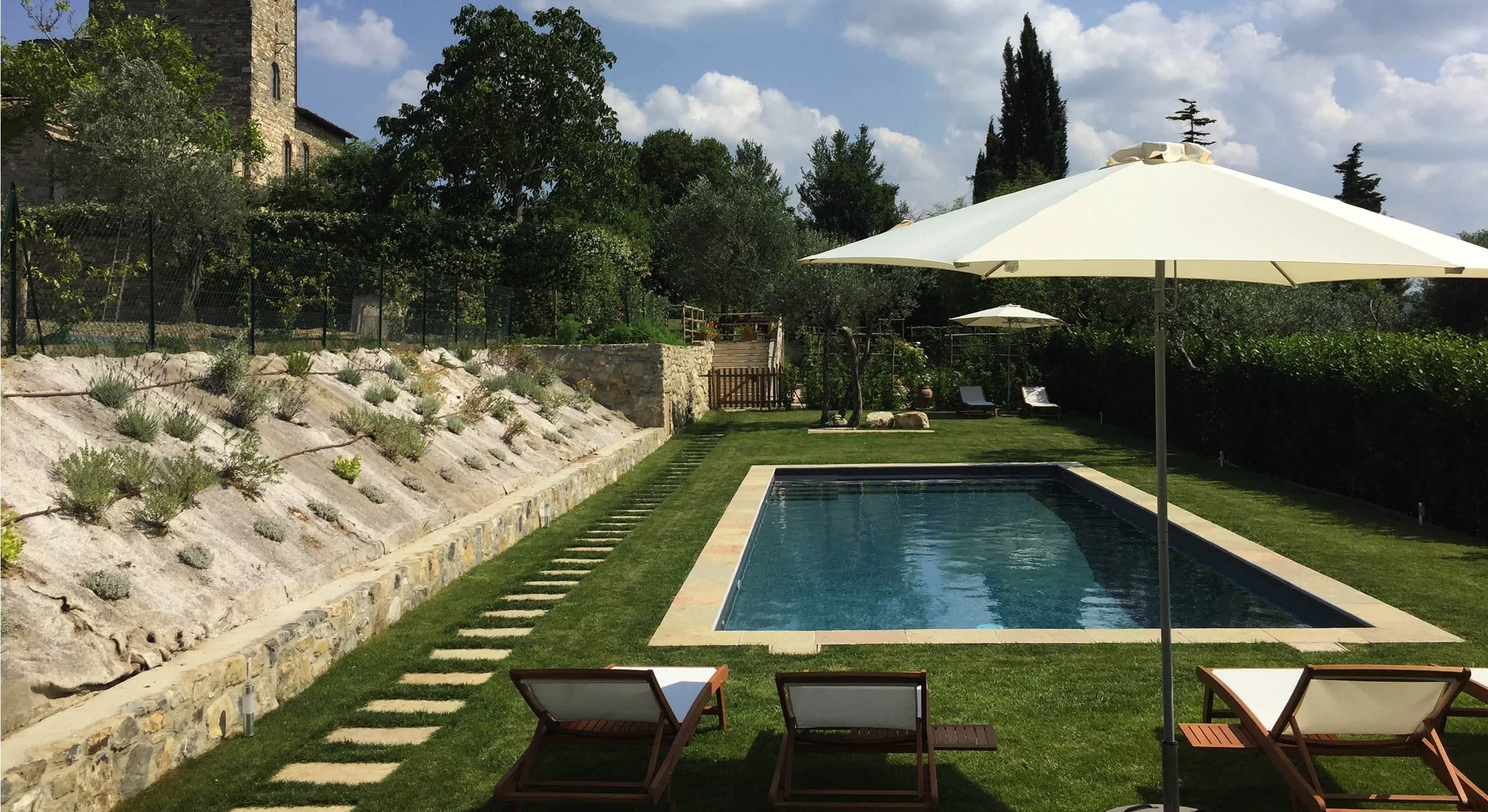
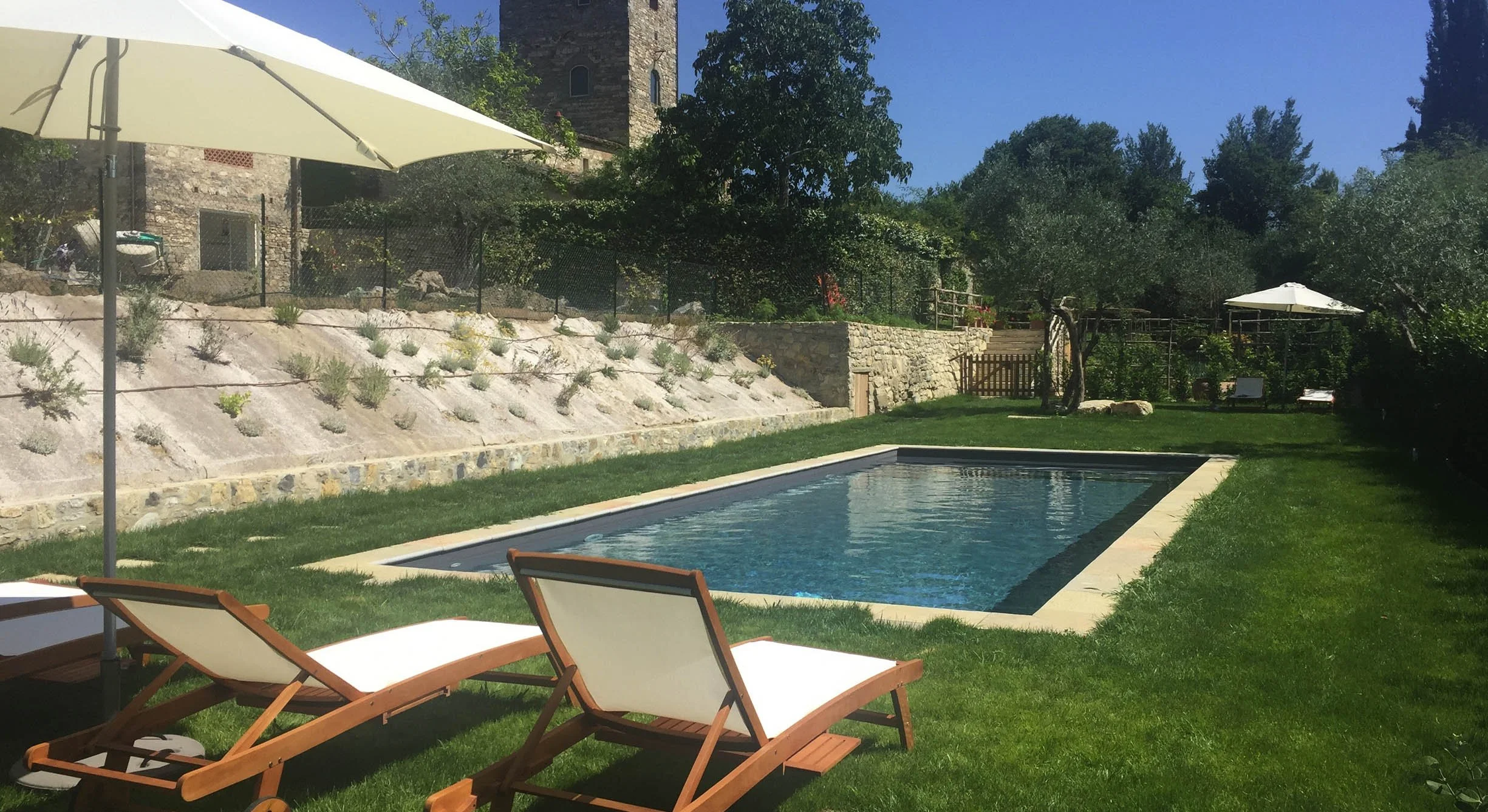
In 2017 we renovated the barn and added a pool…
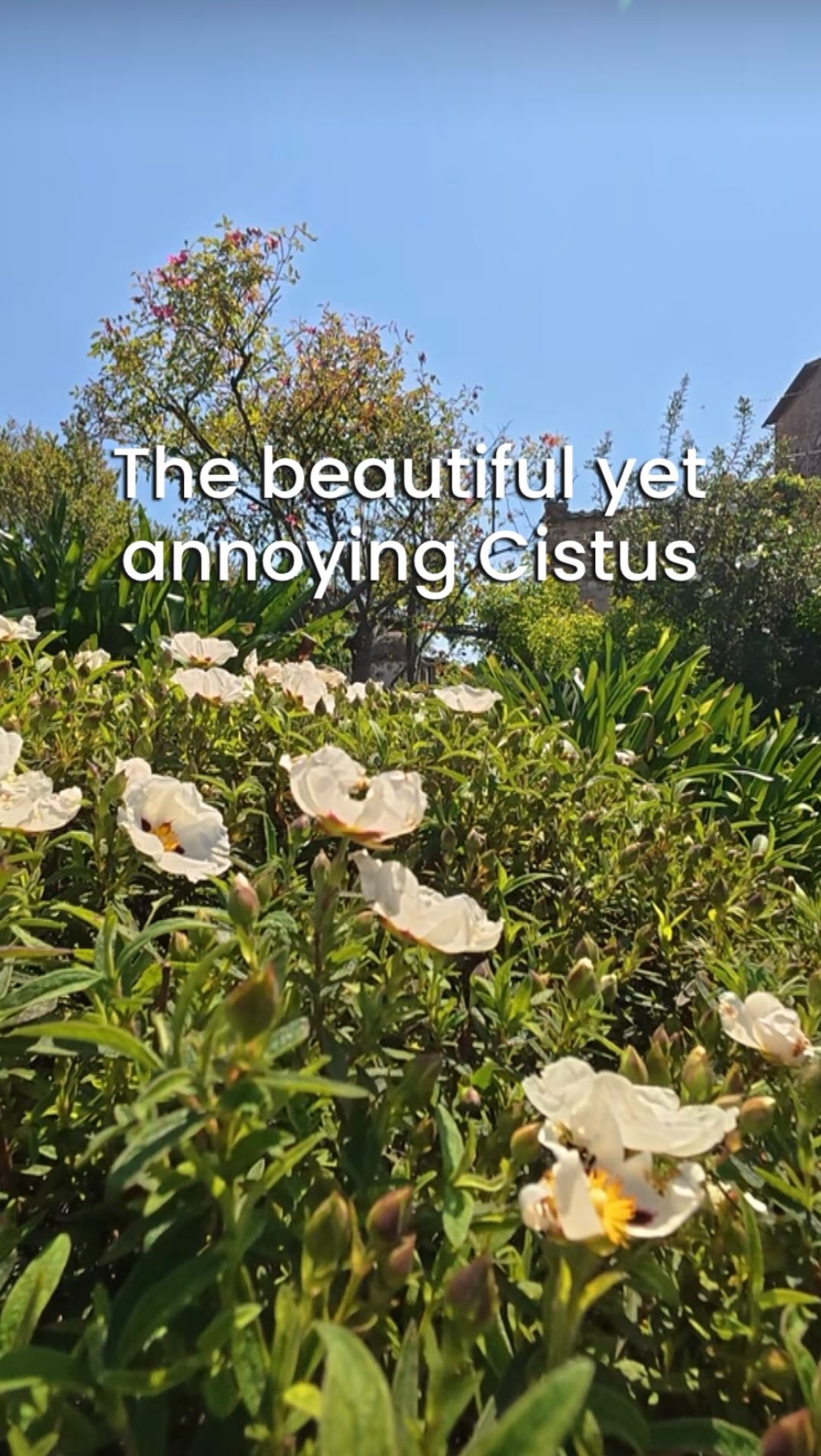
In 2017 we renovated the barn and added a swimming pool, introducing irrigation — until the well ran dry. Rather than replanting lawns, I followed Olivier Filippi’s Mediterranean dry garden approach. With Luigi Broghi’s guidance, we created gravel gardens of plumbago, cistus, erigeron, thyme, and helichrysum — resilient to +40°C summers and -10°C winters.
in 2024 a new well
In 2024 a new well secured our medieval tank.
The land, once abandoned, now breathes again. The garden thrives with little water; butterflies and jasmine scent the walks, olives are once more tended.
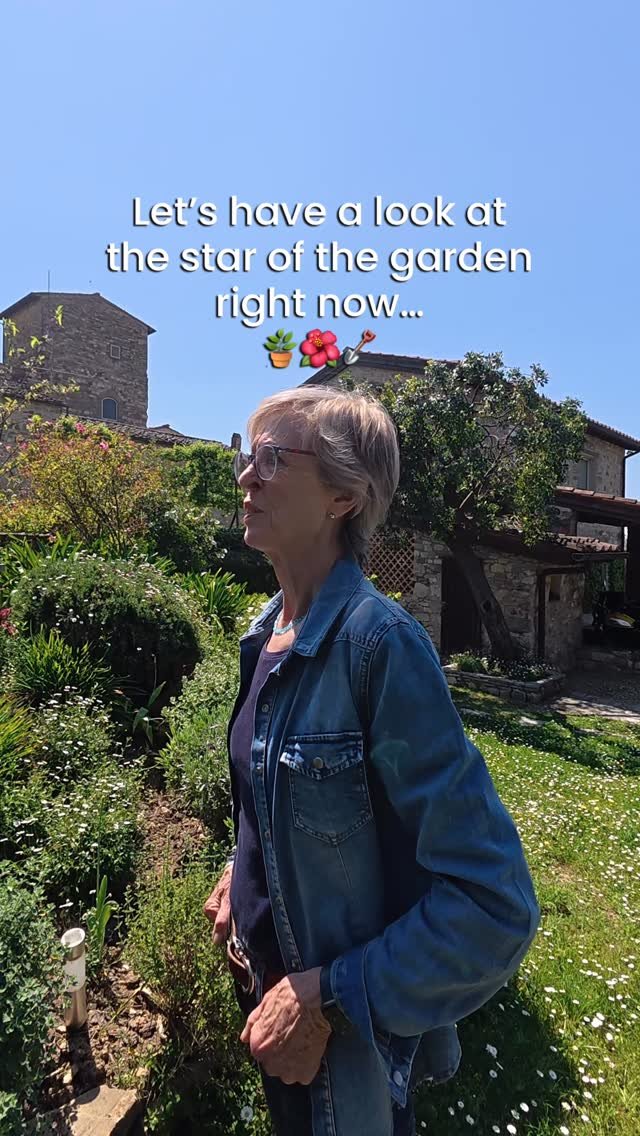
This is Jane Sacchi’s Tuscan garden — a living dialogue between architecture, landscape, and time